
Meet Claire
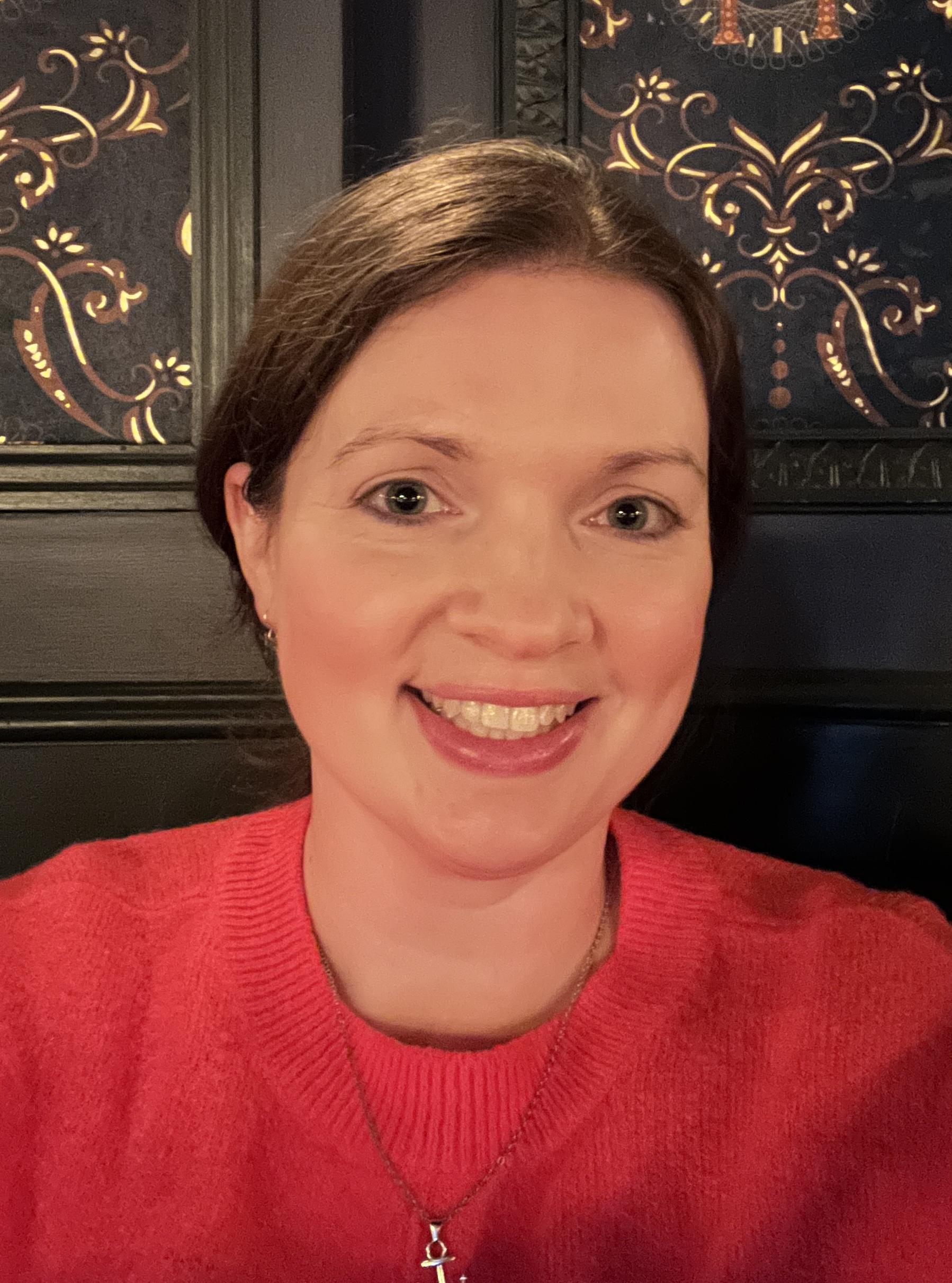
From babysitting kids in the neighborhood to my first job in a daycare, I've spent my whole career around children. Daycare led to teaching, and teaching became my life's work.
Somewhere along the way, I noticed a pattern. My greatest sense of accomplishment never came from the easy kids. It came from the ones everyone else called "difficult."
It started small. Could I get the boy in the summer program to join group activities without a fight? When he finally did, the pride I felt wasn't really about him behaving. It was about connection. I just didn't have the words for it yet.
As my career went on, I kept getting pulled into the same role. A student would be struggling, spiraling, shutting down, and I'd get called in. I learned that validating a child's feelings, giving them time, and holding them accountable at the same time made a real difference. In the moment and over time. I loved this work. I was proud of it.
But it came with a cost. While I was with one struggling student, my other students were missing out on the attention they deserved. And more kids kept showing up needing that kind of support. The gap wasn't shrinking. It was growing.
The turning point came when our school finally trained the whole staff on the tools I had been using for years. Once everyone was speaking the same language, we saw real change. Not just in the kids who struggled most, but across the whole school community.
That's when it hit me. If parents had these same tools at home, not just teachers at school, everything could change. Kids wouldn't just survive the school day. They'd be set up to learn, connect, and thrive everywhere.
That's why I created The Chaos to Connection Method. To help parents move past the yelling and the daily battles, and build the skills and connection their child actually needs.
I believe every child can be understood. I believe the skills they're missing can be taught. And I believe that when we approach a struggling child with compassion instead of correction, real change is possible. Not just at school, at home too.
From babysitting kids in the neighborhood to my first job in a daycare, I've spent my whole career around children. Daycare led to teaching, and teaching became my life's work.
Somewhere along the way, I noticed a pattern. My greatest sense of accomplishment never came from the easy kids. It came from the ones everyone else called "difficult."
It started small. Could I get the boy in the summer program to join group activities without a fight? When he finally did, the pride I felt wasn't really about him behaving. It was about connection. I just didn't have the words for it yet.
As my career went on, I kept getting pulled into the same role. A student would be struggling, spiraling, shutting down, and I'd get called in. I learned that validating a child's feelings, giving them time, and holding them accountable at the same time made a real difference. In the moment and over time. I loved this work. I was proud of it.
But it came with a cost. While I was with one struggling student, my other students were missing out on the attention they deserved. And more kids kept showing up needing that kind of support. The gap wasn't shrinking. It was growing.
The turning point came when our school finally trained the whole staff on the tools I had been using for years. Once everyone was speaking the same language, we saw real change. Not just in the kids who struggled most, but across the whole school community.
That's when it hit me. If parents had these same tools at home, not just teachers at school, everything could change. Kids wouldn't just survive the school day. They'd be set up to learn, connect, and thrive everywhere.
That's why I created The Chaos to Connection Method. To help parents move past the yelling and the daily battles, and build the skills and connection their child actually needs.
I believe every child can be understood. I believe the skills they're missing can be taught. And I believe that when we approach a struggling child with compassion instead of correction, real change is possible. Not just at school, at home too.